
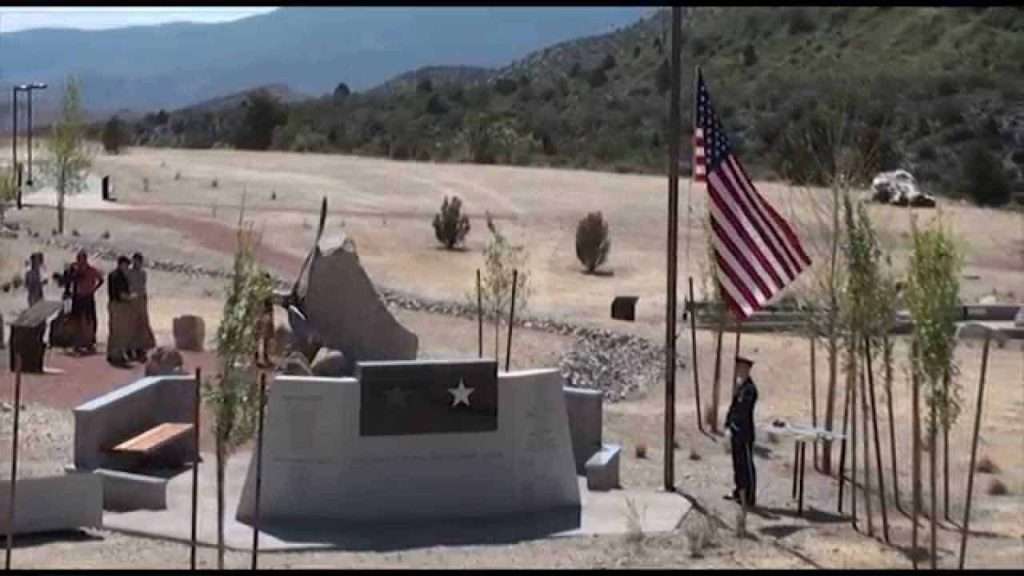
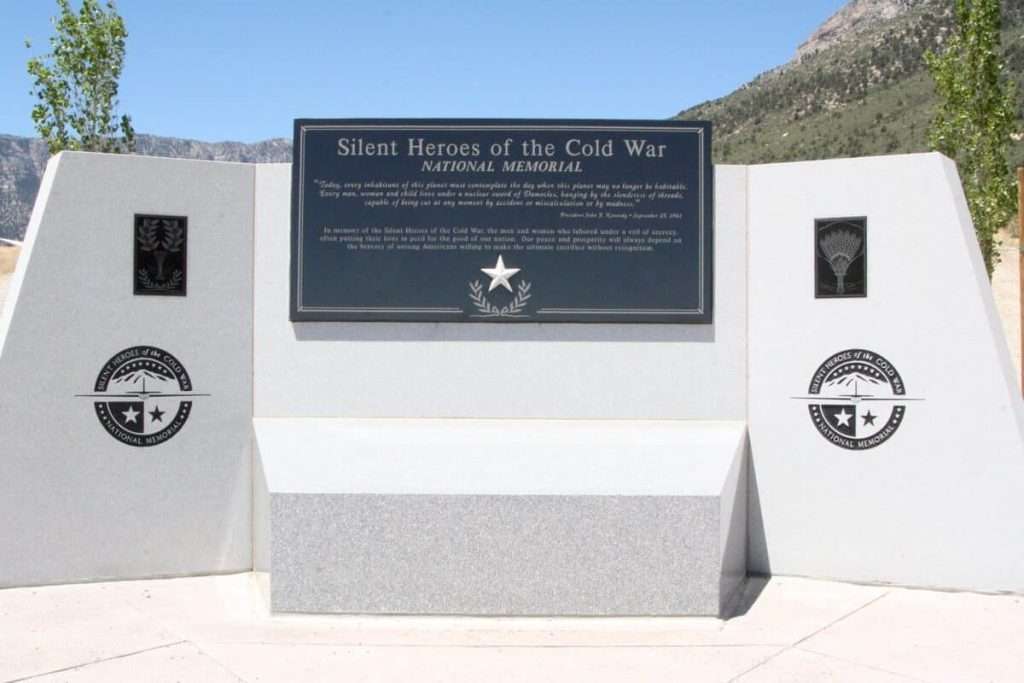
Silent Heroes of the Cold War National Memorial
USAF 9068 Memorial Docent Lecture
This docent tour program is a guide. You should be familiar with the content, but share this program in your own words. Remember – the information you provide must be factual. Be willing to admit if you don’t know the answer to a question. Your presentation will reflect the integrity of the docent program. Tailor the program to the needs of the tour participants. Young children, for example, may become frightened when they listen to a discussion of threats of a possible nuclear holocaust. Use your discretion regarding what is appropriate. You should enjoy the experience and let your personality and humor connect with your audience. Please never lose sight of our purpose to teach Nevada State history and our national Cold War history, promote patriotism, and honor the contributions and sacrifices of those the memorials represent.
Start the lecture in the Kyle Canyon (small) Amphitheater.
Welcome everyone to the Spring Mountains Visitor Gateway Recreational Area.
- Take time to introduce yourself. Connect with the audience by asking how many are from Las Vegas. Find out a little about those attending your program.
- The SMVGRA consists of 90 acres developed by the USDA Forest Service from selling BLM land in Southern Nevada.
- This site includes a visitor center, learning center, large and small amphitheaters, eight pedestrian bridges over a creek, two group picnic areas, upper and lower common areas, five bristlecone pine stumps (Bristlecone pine is the oldest living organism on earth and is Indigenous to this area. The most aged known bristlecone pine is more than 5,000 years old.), hiking trails, Seven Stones plaza honoring the traditions of the Southern Paiute or Nuwuvi people, USAF 9068 Memorial, Silent Heroes of the Cold War National Memorial, and on the opposite side of the canyon to the south is the Pack Rat trail that features a telescope where you can view the USAF 9068 crash site.
- Available for purchase in the Visitors Center gift store is a book written by Kyril Plaskon entitled Silent Heroes of the Cold War, about the 1955 top-secret plane crash. Other related souvenir items are available for purchase at the gift shop.
- Proceeds from the gift shop sales go to conserving Forest Service lands and funding educational programs that further awareness of ways to preserve our forests and wilderness. You may help support these programs by purchasing in the gift shop.
Today, we’ll discuss the USAF 9068 memorial and the SHCW National Memorial. To understand the two memorials, we must first understand the Cold War.
What was the Cold War? Would anyone like to share their answer?
BRIEF DESCRIPTION: During World War II, the United States and its allies, as well as the Soviet Union and its satellite states, were united against a common enemy. Their alliance formed to stop the advance of the Nazi war machine sweeping Europe. When the war ended in May of 1945, diplomatic relations between the United States and the Soviet Union became tense. Dividing the spoils of war began to dissolve the tenuous bond that once held together Capitalism and Communism, two ideologies that couldn’t have been further apart. The spoils of war they were dividing included science that had been designing a super weapon like no other – the atomic bomb. Although the two superpowers never engaged in direct warfare, an unknown number of lives were lost in this conflict that took the form of political maneuvering, propaganda, arms buildups, coalitions, and proxy wars. Historians have not fully agreed on the dates, but 1947 (shortly after the end of WWII) to December 1991 (with the dissolution of the Soviet Union) is widely considered to be the duration of the Cold War.
- A common misconception is that the Cold War never got hot – that no one died in the Cold War.
- From the perspective of the United States and its allies, the Cold War was fought to stop the spread of Communism. Communism is estimated to have killed approximately 100 million people. (China – 65 million, USSR – 20 million, North Korea – 2 million, Cambodia – 2 million, Africa – 1.7 million, Afghanistan – 1.5 million, Vietnam – 1 million, Eastern Europe – 1 million, and many other countries.)
- Among the proxy wars between the Soviet Union and the United States were the wars fought in Korea and Vietnam, where the United States lost many lives as the Soviet Union supplied arms to North Korea and North Vietnam. In Afghanistan, the Soviet Union lost many lives as the United States returned the favor by training and supplying arms to the Afghanistan resistance.
- Remnants of the conflict persist and will be a contention far into the future.
So why would any of this matter today?
- It was during the Cold War that humankind struggled with how to live with the nuclear bomb.
- In September of 1961, President John F. Kennedy, while speaking at the U.N. General Assembly, warned the world that we must abolish nuclear weapons or they will abolish us. Only 35 days later, the Soviet Union detonated the largest thermonuclear bomb to date – the Tsar bomb (pronounced zär or tsär).
- Let’s put that bomb into perspective. The “Little Boy” bomb that the United States detonated over Hiroshima, Japan, had an explosive yield equal to 16 kilotons of TNT or 16,000 tons of TNT. That was enough to instantly cause 66,000 casualties and injure another 69,000, many of whom died soon after.
- The Tsar bomb had an explosive yield somewhere between 50 to 58 million tons of TNT (3,125 times more powerful than “Little Boy”).
What does all this have to do with why you’re sitting here today?
The answer is that we are now going to experience two memorials that honor the military personnel and civilians who comprised the secret army that worked to keep a nuclear holocaust from happening. Today, most Americans live in a bubble of ignorance, not comprehending the threats we face as a nation or appreciating the individuals who stand between us and the worst possible outcome.
Even today, there is a secret army tasked with keeping the nuclear missiles from launching, and that was certainly the case during the Cold War.
Honoring the Silent Heroes
The USAF 9068 Memorial and the Silent Heroes of the Cold War Memorial honor the military personnel and civilians who comprised the secret army that worked to keep a nuclear holocaust from happening. These heroes operated in secrecy, protecting the nation without recognition.
Even today, there is a secret army tasked with keeping the nuclear missiles from launching, and that was certainly the case during the Cold War.
For more information, visit the Silent Heroes Facebook and YouTube Page
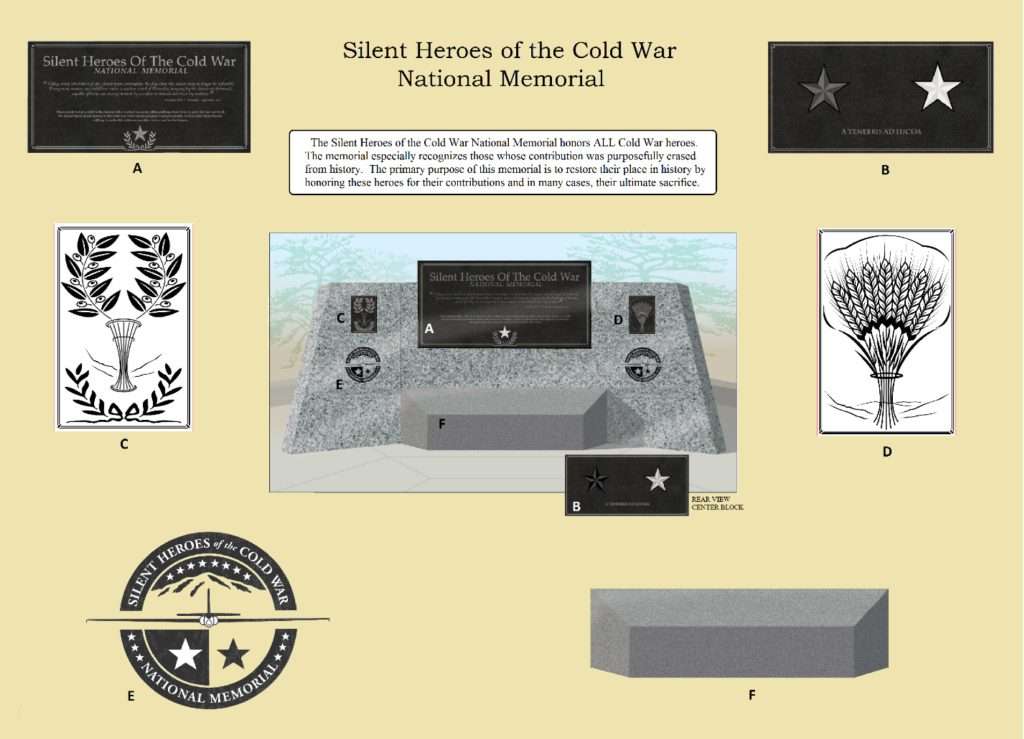
The Silent Heroes of the Cold War National Monument honors ALL Cold War heroes. The memorial especially recognizes those whose contribution was purposely erased from history. The primary purpose of this memorial is to restore their place in history by honoring these heroes for their contributions and, in many cases, their ultimate sacrifice.
Download the Silent Heroes of the Cold War National Memorial Symbolism document. Learn what each symbol stands for and it’s significance.
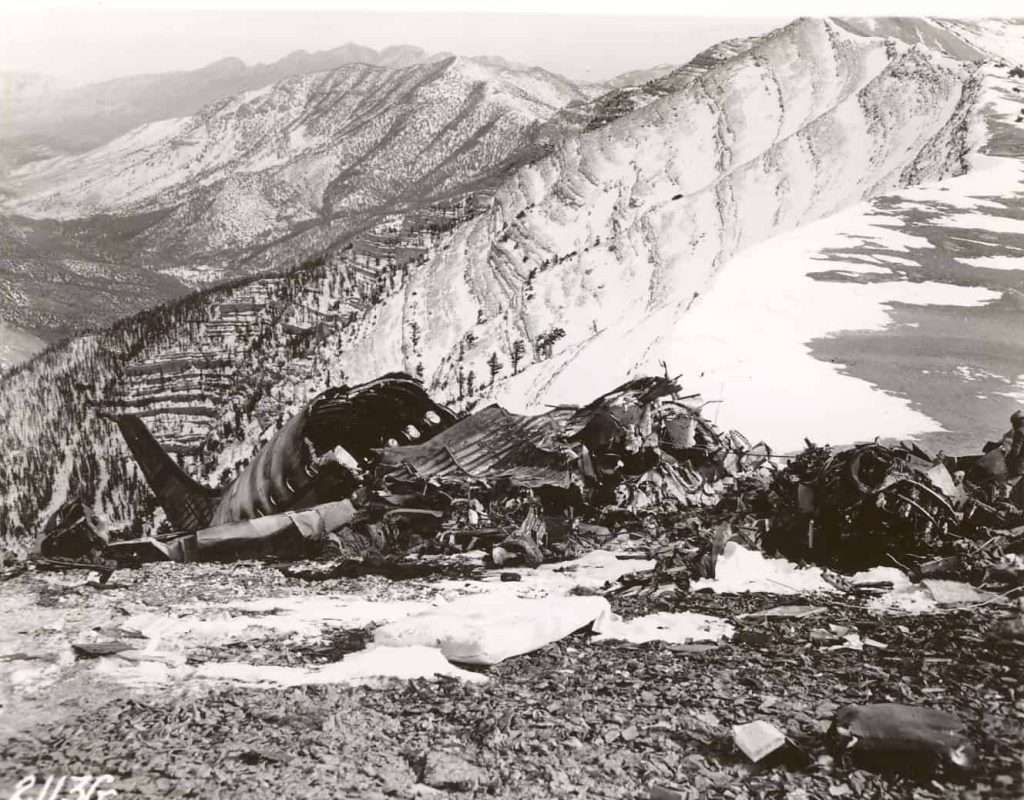
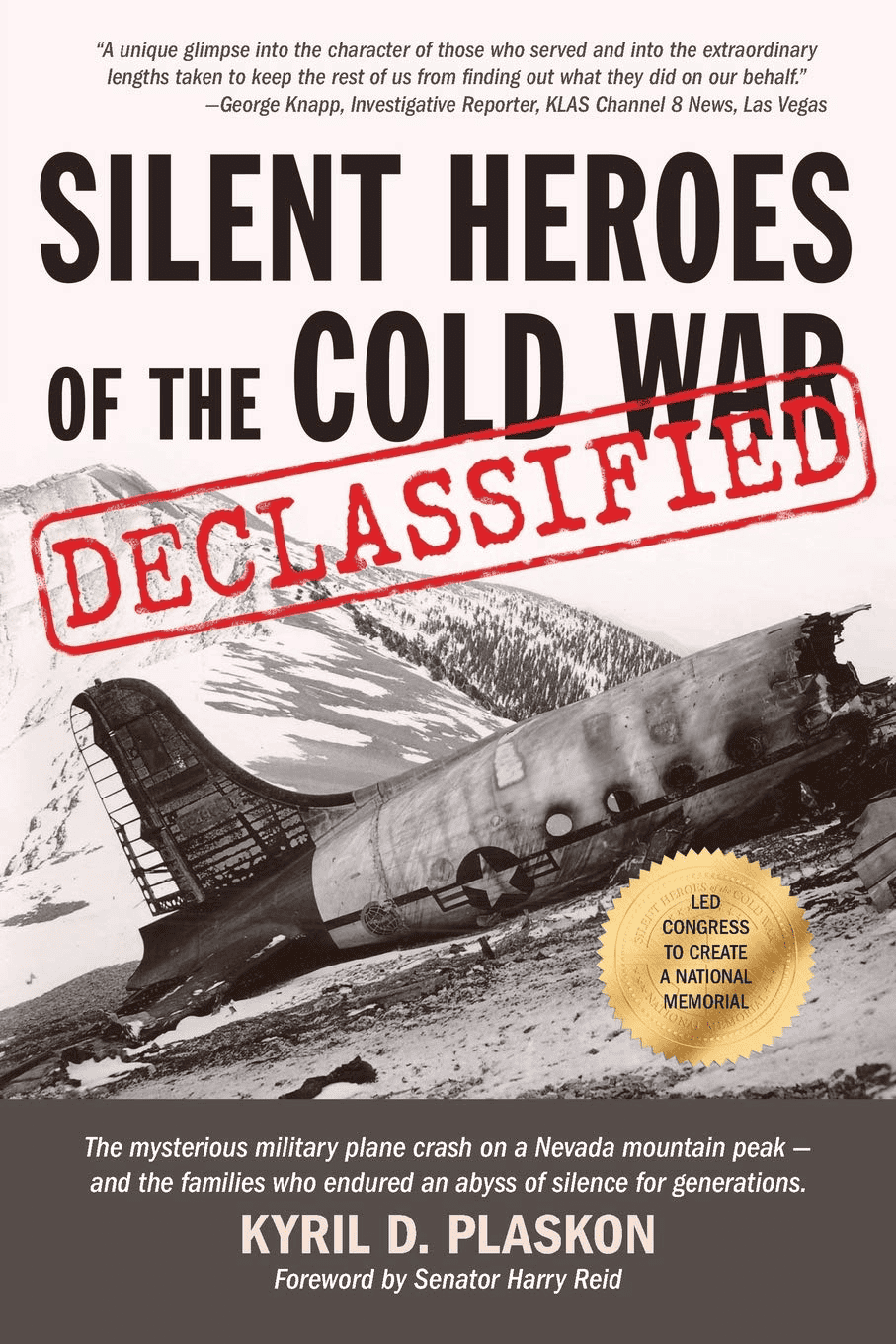
Silent Heroes of the Cold War: Declassified
By: Kyril Plaskon
Discover the untold story behind a mysterious military plane crash on a Nevada mountain peak. Silent Heroes of the Cold War takes you on a gripping journey into the lives of the brave individuals whose sacrifices remained shrouded in secrecy for decades. This compelling account uncovers the truth, honors the lost, and details the extraordinary efforts that led Congress to establish a national memorial in their memory.